Bowl turning is a fascinating and profoundly artistic aspect of woodworking that transforms simple wood into functional art. Here's how it serves as a form of artistic expression:
Material Selection
Wood Choice: Artists select woods not just for their functional properties but also for their aesthetic qualities, such as colour, grain pattern, and rarity. Woods like figured maple, walnut, or even local and exotic species can each bring a unique visual texture and personality to a bowl.
Burls and Spalted Wood are particularly sought after for their unique patterns. Spalted wood shows the natural decay process, leaving beautiful, almost painterly lines, while burls offer wild, swirling grains.
Design and Shape
Form: The shape of the bowl can convey different emotions or themes. A deep, round bowl might evoke a sense of containment or abundance, whereas an asymmetrical or natural-edge bowl might suggest a connection to nature or imperfection as beauty.
Proportion and Balance: The artist's skill in achieving perfect balance or intentional asymmetry can make a bowl either a meditative object or a dynamic piece of art.
Technique
Turning Techniques: Techniques like segmented turning, where different woods are pieced together, or laminating wood with other materials, allow for intricate designs and patterns.
Surface Finish: The choice between sanding to a high polish, leaving tool marks for texture, or even applying pyrography (wood burning) can alter the piece's tactile and visual experience.
Decoration
Inlays: Adding materials like metal, resin, or other woods for inlays can turn the bowl into a canvas for more complex artwork.
Carving and Texturing: Some turners carve into the wood or texture parts to add depth or narrative elements.
Functional vs. Decorative
While bowls are inherently functional, the balance between usability and aesthetics can be artistic. Some bowls might prioritize form over function, becoming more sculpture than utility.
Cultural and Personal Significance
Storytelling: Bowls can tell stories through their design, the wood used, or even inscriptions, connecting to cultural heritage, personal experiences, or environmental messages.
Sustainability: Choosing to use reclaimed, fallen, or sustainably sourced wood can be a statement of ecological awareness.
Interaction with the Viewer
The tactile nature of bowls invites interaction, making art not just something to look at but to hold, use, and experience, thereby engaging multiple senses.
Emotional Response
Artists aim to evoke emotions through their work. The curves, the feel of the wood, and the overall design might aim to comfort, inspire, or challenge the user's perception of what a bowl can be.
Bowl turning, therefore, transcends mere craftsmanship. It becomes a medium through which artists can express a wide range of ideas, from the serene and traditional to the avant-garde. Each piece can be a dialogue between the maker, the material, and the user, encapsulating moments of beauty, skill, and, often, a personal or cultural narrative.
Adoneinthree.com.au
About This Ad
This is a Free Advertisment that conforms to the Australia Advertising Laws set out by the ACCC
If you would like to have an Ad placement, or have a complaint, please use our contact form to get in touch.
Our Ads are displayed randomly with only the impression and click-through count recorded, they are not selected on your viewing habits or other Privacy Violation methods.
Psssst, if you are running a non-profit or charity we might place your Ad for free.
Ancient Viking woodturning is an exciting aspect of Norse craftsmanship, though it's somewhat less documented than their metalwork or shipbuilding. Here's what we can gather from historical evidence and archaeological findings:
Tools and Techniques
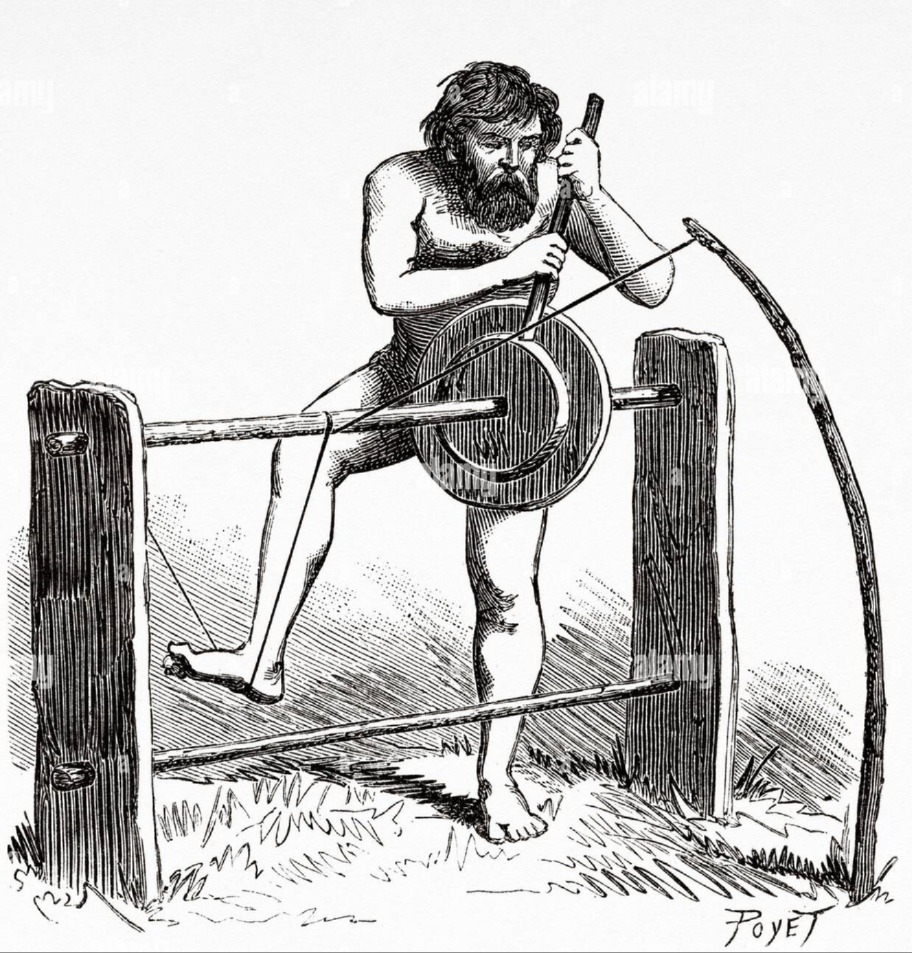
Lathe Use: While the exact use of lathes among the Vikings isn't well-documented, it's known that woodturning was practised in Scandinavia during the Viking Age (approximately 793-1066 AD). Basic lathes, which could be hand or foot-powered, might have been used for turning wood into bowls, cups, and other utensils.
Hand Tools: Vikings would have used various hand tools like knives, gouges, and chisels for wood carving and turning. These tools were often made from iron, and their craftsmanship could be refined.
Wood Types: The Vikings used woods like oak, ash, and pine, abundant in Scandinavia. Oak was particularly favoured for its strength and durability, making it suitable for functional and decorative pieces.
Artifacts
Bowl and Cup Making: Archaeological finds include wooden bowls and cups which show signs of being turned on a lathe. These items were essential for daily use but also appeared in more elaborate forms for special occasions or as status symbols.
Decorative Items: Some wood-turned items might have been decorated with carvings, reflecting the Viking's penchant for intricate designs, also seen in their metalwork and carvings on wood, bone, or stone.
Cultural Context
Functionality and Art: Viking society valued objects' utility and beauty. Woodturning would have been a skill used to produce necessary items while allowing for artistic expression.
Trade and Craft: Craftsmen, including those with woodturning skills, played a role in the Viking trade, both within Scandinavia and in the regions they explored or settled.
Modern Insights
Reenactments and Experimental Archaeology: Today, enthusiasts and historians sometimes attempt to recreate Viking woodturning techniques to understand better how these crafts were performed. These experiments help us understand the tools, techniques, and types of products that might have been made.
Museums: Some museums in Scandinavia display turned wooden artefacts from the Viking Age, providing direct evidence of their woodturning capabilities.
While we don't have extensive written records from the Vikings about woodturning, combining archaeological evidence with experimental archaeology gives us a glimpse into this aspect of their culture. Suppose you're interested in seeing modern interpretations or attempts at Viking woodturning. In that case, you might look for local historical societies or museums focusing on Viking culture or online communities dedicated to historical crafts.
Ethical considerations in sourcing materials for lathe work are increasingly crucial in today's global marketplace. As the demand for sustainable and socially responsible practices grows, manufacturers and artisans must understand and implement ethical sourcing strategies. This article delves into the significance of ethical sourcing in the context of lathe work, exploring the impact of unethical practices, defining critical principles of ethical sourcing, and offering practical strategies for ensuring the materials used in lathe work are sourced ethically. By examining the importance of transparency, collaboration, and certification processes, this article aims to illuminate the pathway towards a more ethical and sustainable approach to material sourcing in the lathe industry.
Importance of Ethical Sourcing in Lathe Work
Ethical sourcing isn't just a buzzword regarding lathe work – it's crucial. Understanding the impact of ethical sourcing is like realizing that using a rusty tool won't give you a smooth finish. Consumer awareness and demand for ethical practices are on the rise, so ignoring ethics in sourcing materials is like turning a blind eye to a lathe, which is veering.
Understanding Ethical Sourcing Practices
Ethical sourcing isn't about wearing a tie-dye shirt and singing Kumbaya; it's a serious business. Defined by principles like transparency and fair treatment, ethical sourcing is the backbone of responsible lathe work. Considering key factors like environmental impact and labour conditions isn't just an option – it's a must-do for anyone serious about turning ethical values into tangible actions.
Impact of Unethical Sourcing on the Lathe Industry
Picture this: unethical sourcing in lathe work is like a bent tool – it ruins your project and leaves a lasting scar on the industry. From environmental consequences like deforestation to social issues like exploitative labour practices, turning a blind eye to unethical sourcing is like spinning your lathe backwards – a recipe for disaster.
Strategies for Ethical Material Sourcing in Lathe Work
It would be best to have a solid game plan to navigate the ethical maze of material sourcing in lathe work. Establishing clear criteria for ethical sourcing is like setting your lathe's speed just right – it keeps things running smoothly. Engaging with ethical suppliers and partners is like finding the perfect lathe buddy – together, you can create a masterpiece that stands the test of time.
Ethical Certification and Verification Processes
Overview of Ethical Certification Programs
Ethical certification programs are like the ethical superheroes of the sourcing world. They ensure that the materials used in lathe work are sourced responsibly and sustainably. It's like having a stamp of approval that says, "Hey, this product was made with care for people and the planet."
Importance of Verification and Transparency
Verification and transparency are like the trusty sidekicks with ethical certification. They help to double-check that the materials are what they claim to be and that the sourcing process is as clean as a whistle. Think of it as shining a big ol' spotlight on the supply chain to ensure everything is above board.
Collaboration and Transparency in Supply Chains
Building Ethical Relationships with Suppliers
Building ethical relationships with suppliers is like nurturing a plant – it takes time, care, and attention. By working closely with suppliers who share your values, you can ensure that the materials used in lathe work are sourced in a way that aligns with your ethical standards.
Ensuring Transparency in the Supply Chain
Transparency in the supply chain is like turning on a light in a dark room – it illuminates everything. By ensuring transparency at every step of the sourcing process, you can track the journey of materials from start to finish, ensuring that every link in the chain is as squeaky clean as possible.
Examples of Ethical Sourcing Success in Lathe Work
Real-world Examples of Ethical Sourcing in the Lathe Industry
Real-world examples of ethical sourcing in the lathe industry are like success stories that inspire others to do better. These cases show that it's possible to create beautiful lathe work while still upholding ethical standards and positively impacting the world.
Lessons Learned and Best Practices from Ethical Sourcing Cases
Lessons learned, and best practices from ethical sourcing cases are like treasure maps that lead you to success. By studying what worked well in these cases, you can adopt similar strategies in your sourcing practices, ensuring that your lathe work is top-notch and ethically sound. In conclusion, ethical sourcing in lathe work is not just a moral imperative but a strategic necessity in today's conscientious marketplace. By prioritizing ethical considerations throughout the material sourcing process, businesses can uphold their values and build trust with consumers, enhance their reputation, and contribute to a more sustainable future for the industry. Embracing ethical sourcing practices is a step towards creating a positive impact on the environment and society, ensuring that the art and craft of lathe work continue to flourish responsibly for generations to come.
Skilled lathe craftsmen, often revered for their precision and artistry, hold a unique position in the world of craftsmanship. With a rich historical legacy dating back centuries, lathe craftsmanship encompasses a blend of traditional techniques and modern innovation. In this article, we delve into the social status associated with these craftsmen, exploring the intricate skills they possess, the cultural significance of their work, and the challenges and opportunities they face in a rapidly evolving world. Join us on a journey through the world of skilled lathe craftsmen as we uncover the profound impact they have on society and the enduring legacy they leave behind.
Defining Lathe Craftsmanship
Imagine a world where wood is carefully carved and shaped into intricate designs, with each stroke of the tool reflecting years of skill and dedication. This is the realm of skilled lathe craftsmen, masters of a centuries-old craft that continues to captivate and inspire.
Historical Evolution of Lathe Craftsmanship
The art of lathe craftsmanship has a rich history that dates back to ancient civilizations. From the earliest hand-operated lathes to the modern, precision machines of today, the evolution of lathe work has been a testament to human ingenuity and creativity.
Historical Significance of Lathe Craftsmanship
Role of Lathe Craftsmen in Traditional Societies
In traditional societies, lathe craftsmen held a revered position, with their skills passing down through generations. Their creations not only served practical purposes but also carried symbolic and cultural significance, becoming cherished heirlooms in many communities.
Impact on Art and Industry
The work of lathe craftsmen has left an indelible mark on both art and industry. From exquisite wooden sculptures to vital components in machinery, their creations have influenced countless fields, showcasing the versatility and importance of their craft.
Skills and Techniques of Lathe Craftsmen
Training and Apprenticeship
Becoming a skilled lathe craftsman is no easy feat – it requires years of training and apprenticeship under experienced masters. Through dedication and practice, craftsmen hone their skills in precision turning, intricate carving, and design, mastering techniques that set them apart in their craft.
Tools and Equipment Used
From traditional hand tools to modern computerized lathes, lathe craftsmen rely on a range of equipment to bring their creations to life. Each tool serves a specific purpose, allowing craftsmen to achieve unparalleled precision and detail in their work.
Social Perception and Recognition of Lathe Craftsmen
Traditional vs. Contemporary Views
While the social status of lathe craftsmen has evolved, their role remains integral in preserving cultural heritage and promoting craftsmanship. Traditional values of respect and admiration for their skills continue to coexist with contemporary recognition of their artistic contributions to society.
Community Engagement and Support
Lathe craftsmen often find support and camaraderie within their communities, with local initiatives and cultural organizations working to promote and preserve their craft. Through events, exhibitions, and collaboration, craftsmen engage with the public, fostering a deeper appreciation for their artistry and craftsmanship.
Economic Impact and Job Opportunities for Lathe Craftsmen
In a world full of mass-produced goods, skilled lathe craftsmen bring a touch of artistry and uniqueness to the market. The demand for handcrafted lathe products is on the rise both locally and globally, providing job opportunities for craftsmen to showcase their talents.
Local and Global Market Trends
The market trends for lathe craftsmanship are shifting towards a preference for high-quality, handmade products that tell a story. Consumers are seeking out unique pieces that reflect craftsmanship and individuality, creating a niche market for skilled lathe craftsmen to thrive in.
Entrepreneurial Opportunities for Craftsmen
With the rise of e-commerce and online platforms, lathe craftsmen now have the opportunity to reach a wider audience and showcase their creations globally. This opens up entrepreneurial opportunities for craftsmen to establish their brands, connect directly with customers, and build a successful business around their craft.
Challenges and Future Prospects for Lathe Craftsmen
While the future looks promising for lathe craftsmen, there are challenges that come with advancing technology and the need for sustainability in craftsmanship. Adapting to these changes will be crucial for craftsmen to continue thriving in the ever-evolving market.
Technological Advancements and Adaptation
As technology continues to advance, lathe craftsmen must embrace new tools and techniques to stay relevant and competitive. Incorporating modern technology into traditional craftsmanship can enhance productivity and quality while preserving the essence of handmade artistry.
Sustainability and Conservation Efforts
In a world focused on sustainability and conservation, lathe craftsmen play a vital role in promoting environmentally friendly practices. By using sustainable materials, reducing waste, and supporting conservation efforts, craftsmen can contribute to a more eco-conscious society.
Cultural Appreciation of Lathe Craftsmanship
Beyond economics, lathe craftsmanship holds significant cultural value that celebrates artistic expression and heritage. The artistry and diversity in lathe craftsmanship contribute to a rich tapestry of cultural traditions that should be preserved and celebrated.
Artistic Value and Cultural Heritage
The artistic value of lathe craftsmanship goes beyond functionality, capturing the essence of creativity and cultural heritage. Each piece crafted by skilled lathe craftsmen tells a story of tradition, craftsmanship, and artistic expression that adds depth and beauty to our cultural landscape.
Celebrating Diversity in Craftsmanship
The world of lathe craftsmanship is a melting pot of diverse techniques, styles, and cultural influences. By celebrating this diversity, we honour the craftsmanship of artisans from different backgrounds, promoting inclusivity and appreciation for the rich tapestry of skills and traditions within the craft.
The Legacy of Skilled Lathe Craftsmen
The legacy of skilled lathe craftsmen is one of artistry, innovation, and cultural heritage. As they continue to adapt to changing times, embrace technology, and promote sustainability, lathe craftsmen leave behind a lasting imprint on the world of craftsmanship, enriching our lives with their unique creations and timeless dedication to their craft. In conclusion, the social status of skilled lathe craftsmen stands as a testament to the enduring value of their craft. As custodians of tradition and pioneers of innovation, these craftsmen play a vital role in shaping our cultural landscape and economy. By recognizing and celebrating their contributions, we not only honour their legacy but also ensure the preservation of a timeless art form for generations to come. The impact of skilled lathe craftsmen reverberates far beyond the workshop, leaving an indelible mark on the fabric of society and inspiring future artisans to continue the legacy of craftsmanship.
Lathe tools and accessories have significantly shaped human history, from ancient civilizations to the modern industrial age. The evolution of lathe technology revolutionised manufacturing processes and influenced artistic craftsmanship and cultural traditions. This article delves into the origins of lathe tools, the development of accessories, and the impact of key historical events such as the Industrial Revolution on lathe technology. By exploring the innovations and notable figures in lathe tool development throughout history, we gain a deeper understanding of these fundamental tools' importance and enduring legacy.
Ancient Origins of Lathe Tools
In ancient times, craftsmen used bow lathes and pedal lathes to shape wood and other materials into various objects. These early lathe tools laid the foundation for future developments in turning technology.
Medieval Advancements in Lathe Technology
During the medieval period, advancements in lathe technology included the introduction of the pole lathe and the addition of a flywheel for continuous turning. These innovations improved efficiency and precision in shaping materials.
Evolution of Lathe Accessories
Introduction of Cutting Tools
The introduction of cutting tools such as chisels and gouges revolutionised lathe work by allowing craftsmen to create intricate designs and patterns on turned objects. These tools enhanced the artistic possibilities of lathe work.
Development of Chuck Systems
Chuck systems, which securely hold materials in place on the lathe, were developed to improve stability and precision during turning. Different types of chuck systems, such as scroll chucks and collet chucks, offered versatility for various turning projects.
Impact of Industrial Revolution on Lathe Technology
Introduction of Power Lathes
The Industrial Revolution saw the introduction of power lathes driven by steam engines and later electric motors. Power lathes significantly increased production capacity and efficiency, leading to the mass production of turned goods.
Mass Production and Standardization
The Industrial Revolution also brought about the standardization of lathe manufacturing processes and the mass production of interchangeable parts. This shift towards uniformity and efficiency revolutionized manufacturing industries and propelled technological advancements.
Modern Innovations in Lathe Tools
CNC Technology in Lathe Manufacturing
Computer Numerical Control (CNC) technology has transformed lathe manufacturing by enabling precise control over cutting operations. CNC lathes offer automation, repeatability, and complex machining capabilities, revolutionizing the production of intricate parts.
Advancements in Tool Materials
Modern lathe tools benefit from advancements in tool materials such as carbide, ceramic, and high-speed steel. These durable and high-performance materials enhance cutting efficiency, tool life, and surface finish quality, pushing the boundaries of lathe machining capabilities.
Cultural Significance of Lathe Tools
Artistic and Decorative Applications
From crafting intricate woodwork designs to turning stunning ceramics, lathe tools have played a crucial role in various artistic and decorative applications throughout history. Artisans worldwide have utilized the precision and control offered by lathe tools to transform raw materials into exquisite pieces of art, showcasing the beauty of craftsmanship.
Role of Lathe Tools in Craftsmanship Traditions
Lathe tools have been deeply ingrained in craftsmanship traditions across different cultures and industries. From creating functional items like furniture and utensils to shaping ornamental pieces and musical instruments, the versatility of lathe tools has been essential in preserving and evolving traditional craftsmanship practices over generations.
Notable Historical Figures in Lathe Tool Development
Pioneers in Lathe Technology
Throughout history, pioneering individuals have revolutionized lathe technology, enabling greater precision and efficiency in manufacturing processes. Their innovative contributions have not only shaped the evolution of lathe tools but have also influenced the development of various industries, from woodworking to metalworking.
Innovators in Lathe Accessories
Innovators in lathe accessories have played a vital role in enhancing the capabilities of lathe tools, making them more versatile and adaptable to different crafting needs. By introducing cutting-edge accessories and attachments, these visionaries have empowered artisans to explore new creative possibilities and push the boundaries of what can be achieved with a lathe.In conclusion, the journey of lathe tools and accessories throughout history showcases the ingenuity and craftsmanship of humankind. From ancient origins to modern innovations, these tools have continuously adapted to meet the changing needs of society. As we reflect on the cultural significance and technological advancements in lathe technology, we are reminded of the enduring impact these tools have had on shaping our world. The legacy of lathe tools serves as a testament to human creativity and the timeless pursuit of excellence in craftsmanship.
Woodturning, a craft that has stood the test of time, holds a rich history intertwined with the lives of individuals who have left an indelible mark on the world. Beyond their well-known accomplishments and contributions, certain historical figures possessed a surprising talent for turning wood. This article delves into the intriguing intersection of craftsmanship and fame, shedding light on the lesser-known aspect of renowned personalities who excelled in the art of woodturning. By uncovering these hidden talents, we gain a deeper understanding of these figures and the impact of their turning skills on their legacies.
Woodturning has a rich history that dates back centuries, showcasing the artistry and craftsmanship of creating objects on a lathe. From functional tools to decorative pieces, the skill of turning wood has played a significant role in various cultures around the world.
The art of woodturning through the ages
Woodturning involves shaping wood while it spins on a lathe, allowing craftsmen to create intricate designs and functional items such as bowls, spindles, and furniture legs. This traditional craft dates back to ancient times and has evolved over the years, blending tradition with modern techniques.
Significance of turning skills in historical contexts
In historical contexts, turning skills were highly valued and often passed down through generations. Skilled turners were essential in creating everyday objects, tools, and ornamental pieces that served practical and aesthetic purposes in households, workshops, and royal courts.
The unexpected turning talents of renowned historical figures
While many famous historical figures are known for their leadership, artistic talents, or intellectual contributions, some also possess a surprising skill in woodturning. These revelations shed light on a lesser-known aspect of their personalities and highlight the universality of craftsmanship.
Surprising revelations about well-known figures
From artists to statesmen, uncovering the hidden talent for turning wood adds a new dimension to the public perception of historical figures. These unexpected skills offer a glimpse into their personal interests and reveal a side of their lives often overshadowed by their more prominent achievements.
Connecting craftsmanship to their broader achievements
Exploring how turning skills influenced the work and mindset of these historical figures provides insights into their creative processes and problem-solving abilities. By connecting their craftsmanship to their broader achievements, we can appreciate the multidimensional talents of these influential individuals.
Exploring the craftsmanship of famous leaders in turning
Leadership qualities can manifest in various forms, including the mastery of craftsmanship like woodturning. Examining how famous leaders honed their turning skills offers a unique perspective on their character traits and decision-making processes.
Leadership qualities reflected in their turning skills
The patience, precision, and attention to detail required in woodturning mirror the qualities of effective leadership, such as perseverance, vision, and adaptability. Understanding how these leaders applied their turning skills can provide new insights into their leadership styles.
How turning influenced their decision-making and creativity
Woodturning not only requires technical expertise but also sparks creativity and innovation. For famous leaders who were skilled turners, their experiences at the lathe likely influenced their approach to problem-solving, decision-making, and fostering creativity within their domains of influence.
Unveiling the hidden talents of influential historical figures
Beyond their well-documented accomplishments, influential historical figures often harboured talents and interests that remain lesser-known. Delving into their proficiency in woodturning sheds light on the personal lives and attributes that shaped their public image.
Recognizing lesser-known aspects of prominent figures
By uncovering the hidden talent for turning wood in influential historical figures, we gain a deeper understanding of their multifaceted personalities and passions. Recognizing these lesser-known aspects adds complexity to their legacies and humanizes their larger-than-life personas.
Impact of turning on their personal lives and public image
The practice of woodturning likely provided a creative outlet and source of fulfilment for these historical figures, impacting their personal well-being and influencing how others perceived them. Exploring the role of turning in their lives can reshape our appreciation for their contributions to history.
Impact of turning skills on the legacies of well-known personalities
It turns out that history is full of surprises, including the fact that some of the most well-known figures were also skilled turners. These individuals didn't just leave their mark on the world through politics or art; they also had a knack for crafting intricate and beautiful turned-wood pieces. Let's take a closer look at how their turning skills influenced their legacies in unexpected ways.
Legacy of turning expertise in shaping historical figures
From world leaders to renowned artists, the legacy of turning expertise has uniquely shaped the lives of historical figures. Many of these individuals found solace and creativity in the art of turning, allowing them to express themselves in ways that transcended their primary fields of influence. Whether it was a stress-relieving hobby or a profound passion, their turning skills added another dimension to their already impressive legacies.
Preserving and promoting their turning legacy for future generations
As we uncover the hidden talents of historical figures, it's essential to preserve and promote their turning legacy for future generations. By showcasing their craftsmanship and celebrating their multifaceted skills, we not only honour their memories but also inspire others to explore new hobbies and talents. Through exhibitions, workshops, and educational programs, we can ensure that the turning legacy of these remarkable individuals continues to captivate and inspire for years to come. As we reflect on the unexpected turning talents of these historical figures, we are reminded of the multifaceted nature of human potential and the hidden gems that lie within even the most well-known personalities. By exploring their craftsmanship and the profound impact of their turning skills, we not only honour their legacy but also celebrate the diversity of talent that shapes our shared history. Let these revelations inspire us to look beyond the surface and appreciate the depth of skill and creativity that exists within us all.
Craftsmanship has been a fundamental aspect of human culture since ancient times, with turning techniques playing a significant role in the creation of functional and decorative objects. In this article, we delve into the intriguing similarities between ancient and modern-day turning practices, exploring how the art of shaping materials on a lathe has evolved over centuries. From the historical roots of turning methods to the innovative tools and materials used today, we will examine the enduring legacy of turning craftsmanship and its relevance in contemporary society. Join us on a journey through time as we uncover the connections between the past and present in the world of turning techniques.
Introduction to Turning Techniques
Whether ancient or modern, turning techniques have been a vital part of craftsmanship for centuries. The art of turning involves shaping a piece of material by rotating it on an axis while using various tools to carve and create intricate designs.
Historical Overview of Ancient Turning Methods
Ancient Civilizations and Their Turning Practices
Ancient civilizations such as the Egyptians, Greeks, and Romans were pioneers in the art of turning. They used turning techniques to craft objects like pottery, furniture, and decorative items, showcasing their advanced craftsmanship skills.
Tools and Techniques of Ancient Turning
Ancient artisans primarily relied on simple tools like hand chisels, bow lathes, and foot pedals to turn materials such as wood, stone, and clay. These early turning methods laid the foundation for the intricate turning techniques we see today.
Evolution of Turning Techniques in Modern Times
Innovation and Technology in Modern Turning
In modern times, turning techniques have evolved with the introduction of power tools, computer-aided design (CAD) software, and innovative materials. This technological advancement has revolutionized the way craftsmen approach turning, allowing for greater precision and efficiency.
Impact of Industrialization on Turning Practices
Industrialization brought mass production and standardized turning techniques to the forefront. While this streamlined production processes, it also led to a decline in traditional craftsmanship. However, there has been a resurgence of interest in artisanal turning methods, blending the best of both worlds.
Tools and Equipment Used in Ancient Turning Practices
Traditional Turning Tools and Their Functions
Ancient turning tools such as gouges, skew chisels, and parting tools were essential for shaping and detailing materials. These tools were meticulously crafted and honed to perfection, showcasing the skill and precision of ancient craftsmen.
Ancient Turning Equipment and Workspaces
Ancient turning workshops were often simple yet functional spaces equipped with lathes, workbenches, and storage for materials. Craftsmen worked diligently in these environments, utilizing their tools and expertise to create stunning works of art that have stood the test of time.
Comparing Material Choices in Ancient and Modern Turning
Historical Materials for Turning Projects
Ancient woodworkers often relied on traditional materials such as oak, pine, and cherry for their turning projects. These woods were readily available and valued for their durability and workability.
Modern Material Options and Their Advantages
In modern times, turners have access to a wide range of materials beyond traditional woods. Materials like acrylics, resins, and stabilized woods offer unique colours, patterns, and durability. These materials allow for greater creativity and customization in turning projects.
Skill Development and Training in Turning Through the Ages
Apprenticeship and Mastery in Ancient Turning Guilds
In ancient times, turning skills were passed down through apprenticeship in specialized guilds. Masters would train apprentices in techniques and craftsmanship, emphasizing the importance of precision and attention to detail.
Formal Education and Contemporary Training Methods
Today, aspiring turners can benefit from formal education and a variety of training methods. Workshops, online tutorials, and classes offer opportunities for turners to learn new techniques and refine their skills. Modern training methods focus on combining traditional craftsmanship with innovation.
Cultural Significance of Turning Across Different Eras
Ritual and Symbolism in Ancient Turning Artifacts
Ancient turning artefacts often held cultural and symbolic significance. Items like bowls, spindles, and tools were not just functional objects but also carried spiritual and ritualistic meanings in various societies.
Modern-Day Applications and Cultural Influences on Turning Practices
In contemporary times, turning practices have evolved to meet the demands of modern life. Turned objects are not only functional but also serve as artistic expressions. Cultural influences from around the world shape the designs and techniques used in modern turning, reflecting a fusion of tradition and innovation. As we conclude our exploration of the parallels between ancient and modern turning techniques, it becomes evident that the art of turning continues to bridge the gap between tradition and innovation. By understanding the evolution of turning practices and the enduring principles that govern this craft, we gain a deeper appreciation for the skill and creativity involved in shaping raw materials into works of art. Whether in ancient workshops or modern studios, the essence of turning remains a testament to human ingenuity and craftsmanship, showcasing the timeless beauty of handmade creations that transcend generations.
In the annals of human history, the utilization of lathes stands as a testament to the ingenuity and craftsmanship of ancient civilizations. The evolution and mastery of lathe technology played a pivotal role in shaping societies' artistic, functional, and technological landscape throughout antiquity. From the intricate woodturning techniques of Mesopotamia to the innovative applications in Egyptian and Greek workshops, the ancient world witnessed a remarkable progression in lathe work. This article delves into the fascinating realm of ancient lathes, exploring their early development, techniques employed, and their enduring legacy on modern manufacturing and craftsmanship.
Ancient Lathes
Lathes are not just for making cool table legs or baseball bats today; ancient civilizations were way ahead of the curve in using lathes for craftsmanship. Let's delve into their world of spinning wonders!
Defining Lathes in an Ancient Context
Imagine a potter's wheel but for wood and stone instead of clay. The ancient lathe is a nifty tool that spins materials for shaping and carving like an artisan DJ.
Historical Significance of Lathe Technology
Ancient lathe tech wasn't just for show—it revolutionized crafting. Think of it as the OG 3D printer, enabling intricate designs and precision that blew minds and shaped cultures.
Early Development and Evolution of Lathes in Ancient Civilizations
From Mesopotamia to ancient Rome, lathes were like the iPhones of the day—everyone wanted in on the turning action.
Mesopotamian Innovations in Lathe Technology
Mesopotamians were like the first lathe hipsters, using foot-powered lathes for woodworking before it was cool. They set the stage for lathe legends to come.
Egyptian Contributions to Lathe Craftsmanship
The pharaohs weren't just building pyramids; they were also turning heads with their lathe skills. Egyptians were all about that intricate detail, using lathes for everything from furniture to sarcophagi.
Greek and Roman Advancements in Turning Techniques
The Greeks and Romans took lathe turning to the next level, adding tools and techniques that made their creations the envy of the ancient world. They were the original lathe masters, turning out art and artefacts that stood the test of time.
Techniques and Materials Used in Ancient Lathe Turning
Ancient lathe workers didn't just spin things for fun; they had the tools and skills to turn ordinary materials into extraordinary creations.
Tools and Equipment Utilized in Ancient Lathe Work
Forget power drills and laser levels—ancient lathe workers used chisels, gouges, and sheer elbow grease to turn their visions into reality. They were the original DIY warriors.
Types of Wood and Other Materials Turned on Ancient Lathes
From sturdy oak to exotic ebony, ancient lathes weren't picky about their materials. Wood, stone, and even metal were fair game for the spinning magic of the lathe.
Significance of Lathes in Ancient Craftsmanship and Technology
Lathes weren't just tools; they were game-changers that shaped ancient societies and economies in ways that still resonate today.
Role of Lathes in Artistic and Functional Creations
Ancient artisans used lathes to create not just objects, but masterpieces. From everyday tools to exquisite sculptures, lathes were the secret sauce behind some of history's greatest creations.
Impact of Lathe Technology on Industrial and Economic Development
The ancient lathe wasn't just a cool gadget; it was a catalyst for innovation and progress. By streamlining production and raising the bar for craftsmanship, lathes helped ancient civilizations thrive and set the stage for the industrial revolutions to come.
Case Studies: Ancient Civilizations Known for Advanced Lathe Work
The Chinese Tradition of Lathe Turning
Ancient China was well-versed in the art of lathe turning, with evidence dating back to the Han Dynasty. Chinese artisans skillfully crafted objects like intricate wooden furniture and musical instruments using lathe techniques.
Mayan and Aztec Contributions to Lathe Techniques
The Mayans and Aztecs also made significant contributions to lathe practices. These civilizations utilized simple yet effective lathes to create pottery, sculptures, and architectural elements, showcasing their advanced craftsmanship.
Legacy of Ancient Lathes and Their Impact on Modern Manufacturing
Connections between Ancient and Modern Lathe Technology
The techniques and innovations developed by ancient civilizations have laid the foundation for modern lathe technology. Concepts such as precision turning and material manipulation can be traced back to these early practices.
How Ancient Lathe Practices Inform Contemporary Craftsmanship
Ancient lathe practices continue to influence contemporary craftsmanship across various industries, from woodworking to metalworking. The emphasis on skill, patience, and attention to detail remains a timeless lesson for artisans today.
Challenges and Limitations Faced by Ancient Lathe Workers
Environmental Factors Affecting Ancient Lathe Work
Ancient lathe workers encountered challenges related to environmental factors such as humidity, temperature, and availability of resources. Adapting to these conditions was crucial for ensuring the success of their craft.
Social and Cultural Barriers to Advancing Lathe Technology
Social hierarchies and cultural norms sometimes restricted the advancement of lathe technology in ancient civilizations. Limited access to resources and knowledge hindered the exploration of new lathe techniques.
The Enduring Influence of Ancient Lathe Techniques
Ancient lathe techniques have left an indelible mark on the evolution of craftsmanship and manufacturing. By studying and honouring the practices of past civilizations, we continue to learn valuable lessons that shape the way we approach modern manufacturing processes.
As we reflect on the rich history and remarkable achievements of ancient lathe workers, it becomes evident that their legacy continues to resonate in the modern world. The mastery of turning techniques, the use of diverse materials, and the innovative approaches to craftsmanship have all left a lasting impact on contemporary manufacturing and artisanal practices. By studying and appreciating ancient civilizations and their use of lathes, we not only honour the skill and dedication of past artisans but also gain insights that inspire creativity and innovation in our endeavours. The enduring influence of ancient lathe techniques serves as a reminder of the timeless artistry and technological prowess that have shaped human progress across the ages.
Woodturning, a craft that dates back centuries, has emerged not only as a creative outlet but also as a therapeutic hobby with numerous benefits for mental and physical well-being. This article delves into the world of woodturning as a therapeutic practice, exploring how it can promote relaxation, mindfulness, and overall mental health. From stress relief to improved fine motor skills, woodturning offers a unique blend of artistic expression and physical activity that can positively impact one's quality of life. Whether you're a seasoned woodturner or a beginner looking to explore this craft, understanding its therapeutic potential can enhance your experience and deepen your connection to the art of turning wood.
If you're looking for a creative outlet that can also help you unwind and destress, woodturning might just be the perfect hobby for you. This centuries-old craft involves shaping wood into various forms using a lathe, and it has gained popularity not only for its artistic appeal but also for its therapeutic benefits.
Understanding the Basics of Woodturning
Woodturning is all about spinning a piece of wood on a lathe while using sharp tools to cut and shape it into different forms like bowls, vases, and even intricate sculptures. It may sound intimidating at first, but with practice and patience, you can quickly grasp the basics and start creating your own masterpieces.
The Therapeutic Potential of Engaging in Creative Activities
Engaging in creative activities like woodturning can be incredibly therapeutic. It allows you to focus on the present moment, channel your emotions into your work, and experience a sense of accomplishment as you see your creations come to life. Plus, the repetitive nature of woodturning can have a calming effect on your mind, making it an excellent way to relax and unwind.
Benefits of Woodturning for Mental Health and Well-being
Stress Relief and Relaxation through Woodturning
One of the standout benefits of woodturning is its ability to provide stress relief and promote relaxation. The rhythmic motion of shaping wood, coupled with the focus required to manipulate the tools, can help calm your mind and melt away the worries of the day.
Enhancing Focus and Mindfulness
Woodturning demands your full attention, requiring you to concentrate on every cut and curve. This can help enhance your focus and promote mindfulness, allowing you to be completely present in the moment as you work on your wood-turning projects.
Physical Health Benefits of Woodturning
Improving Fine Motor Skills and Coordination
Woodturning is a fantastic way to improve your fine motor skills and hand-eye coordination. The precise movements required to shape the wood can help fine-tune your dexterity and strengthen your control over the tools, making it a great activity for enhancing your physical coordination.
Promoting Physical Exercise and Flexibility
Despite being a seated activity, woodturning can also offer physical benefits. The continuous movement involved in turning the wood and manipulating the tools can provide a gentle form of exercise for your arms, shoulders, and hands. Additionally, the range of motion required while working on different parts of the project can help promote flexibility.
Psychological Benefits of Engaging in Woodturning
Fostering Creativity and Self-expression
Woodturning is a creative outlet that allows you to express yourself through the art of shaping wood. Whether you're following a specific design or letting your imagination run wild, woodturning can be a powerful tool for fostering creativity and exploring new forms of self-expression.
Boosting Self-esteem and Confidence
As you see your skills improve and your projects take shape, woodturning can boost your self-esteem and confidence. The sense of satisfaction that comes from creating something with your own hands can be incredibly empowering and can help you build a positive self-image.
Tips for Getting Started with Woodturning as a Therapeutic Hobby
Choosing the Right Tools and Equipment
When diving into the world of woodturning, it's essential to arm yourself with the right tools. Start with the basics like a lathe, chisels, gouges, and a sharpening system. Remember, quality tools make the turning experience smoother and more enjoyable.
Learning Basic Woodturning Techniques
Before you start churning out bowls and spindles, get a grip on the fundamental woodturning techniques. Practice spindle turning, bowl turning, and tool handling. Be patient with yourself - Rome wasn't built in a day, and neither was a perfectly turned bowl.
Safety Precautions and Best Practices for Woodturning
Understanding Potential Risks and Hazards
Woodturning isn't all rainbows and butterflies; there are risks involved. High-speed spinning wood can be a recipe for disaster if you're not careful. Be mindful of flying wood chips, and sharp tools, and always wear appropriate safety gear like goggles and a face shield.
Implementing Safety Measures in the Woodturning Workshop
Safety first, folks! Set up your wood-turning space with caution in mind. Ensure good lighting, proper ventilation, and a clean and clutter-free workspace. Remember, a safe turner is a happy turner.
Creating a Relaxing and Inspiring Woodturning Space
Designing an Organized and Functional Workshop
A chaotic workshop can dampen your wood-turning mojo. Keep your tools organized, designate specific areas for different tasks, and maintain a clean workspace. A clutter-free zone equals a clutter-free mind (and smoother turns!).
Incorporating Elements of Nature and Tranquility
Bring the outdoors in! Consider adding plants, natural light, or soothing music to your wood-turning sanctuary. Let nature's calming influence seep into your turning sessions, adding an extra layer of relaxation to your hobby.
Advanced Techniques and Projects for Seasoned Woodturners
Exploring Unique Woodturning Designs and Styles
Once you've mastered the basics, let your creativity run wild. Experiment with different wood species, textures, and shapes. Embrace your inner wood-turning artist and create pieces that speak to your unique style.
Challenging Yourself with Complex Woodturning Projects
Ready to level up your turning game? Challenge yourself with intricate projects like segmented turning, hollow forms, or off-centre turning. Pushing your skills beyond your comfort zone can produce impressive results and a sense of accomplishment. Go on, turn that piece of wood into a masterpiece!
Woodturning is not only a creative skill but also a valuable therapeutic tool that can benefit individuals in various ways. By embracing the meditative nature of shaping wood, practitioners can find solace, inspiration, and a sense of accomplishment. Whether it's the soothing rhythm of the lathe or the joy of transforming a raw piece of wood into a work of art, woodturning offers a unique avenue for self-care and personal growth. So, pick up that chisel, turn on the lathe, and let the transformative power of woodturning guide you on a journey of creativity, mindfulness, and well-being.
Woodturning, a craft that has been practised for centuries, holds a rich history that intertwines with the evolution of tools, techniques, and artistic expression. From its origins as a functional necessity to its modern-day status as a celebrated form of artistry, woodturning has undergone significant transformations throughout history. This article delves into the historical timeline of woodturning, exploring its roots in ancient civilizations, the Middle Ages and Renaissance innovations, the impact of the Industrial Revolution, and the contemporary trends shaping this traditional craft in the modern era. Join us on a journey through time as we unravel the captivating history of woodturning.
The Quirky and Entertaining History of Woodturning
Origins of Woodturning
Early Evidence of Woodturning
Woodturning has been around longer than avocado toast and probably even longer than the concept of "waiting for the perfect moment to text back." Early evidence of woodturning dates back to ancient times when people realized spinning wood on a lathe was a genius way to create beautifully crafted objects.
Development of Early Woodturning Tools
Imagine early humans, before Amazon Prime existed, crafting tools like chisels and gouges to shape wood on their rudimentary lathes. These tools may have been simple, but they paved the way for today's wood-turning magic.
Evolution of Woodturning Tools and Techniques
Introduction of the Pole Lathe
Before power tools ruled the world, the pole lathe was the OG of woodturning machines. It's like the vintage Vespa of the woodturning world - classic, reliable, and probably make a cool sound when in action.
Pole Lathe
Advancements in Chisels and Gouges
Just like how your favourite pair of jeans evolves (grunge to skinny to mom jeans), chisels and gouges used in woodturning have seen some serious upgrades. From ancient to modern times, these tools have become more refined, making woodturning a smoother and more precise art form.
Woodturning in Ancient Civilizations
Woodturning in Ancient Egypt
The ancient Egyptians weren't just about pyramids and cats (although those are pretty awesome). They were also skilled woodturners, creating intricate objects and furniture that would make even Cleopatra jealous.
Wood Turning in Ancient Egypt
Woodturning in Ancient Greece
In Ancient Greece, where toga parties were probably a common occurrence, woodturning was considered a highly respected craft. Greek artisans would create stunning pieces using woodturning techniques that are still admired today.
Wood Turning in Ancient Greece
Woodturning in the Middle Ages and Renaissance
Guilds and Woodturning Apprenticeships
In the Middle Ages and Renaissance, being a woodturner was a big deal. Guilds were formed, apprenticeships were taken, and turning wood was not just a job - it was a prestigious art form.
Influence of Woodturning on Art and Architecture
Woodturning wasn't just about making useful objects; it also had a major influence on art and architecture during this period. Intricate wood-turned details adorned buildings and sculptures, showing off the skills and creativity of woodturners.
Industrial Revolution and Woodturning
Woodturning during the Industrial Revolution was like a kid trying to keep up with an adult in a race. The impact of industrialization on woodturning was massive, with machines and factories popping up everywhere like mushrooms after rain.
Impact of Industrialization on Woodturning
Industrialization didn't just knock on woodturning's door; it kicked it down. Traditional woodturners suddenly found themselves competing with steam-powered lathes and mass-produced items. It was like bringing a butter knife to a chainsaw fight.
Introduction of Mass Production Techniques
With the Industrial Revolution came the introduction of mass production techniques to woodturning. Craftsmanship took a backseat to efficiency, as factories churned out turned wood products faster than you could say "Where's my chisel?" Woodturners had to adapt or risk being left in the sawdust.
Woodturning in the Modern Era
Fast forward to today, and woodturning has had more comebacks than a '90s boy band. In the modern era, woodturning is experiencing a revival of traditional craftsmanship mixed with some spicy new trends and styles.
Revival of Traditional Woodturning Craftsmanship
Just like vintage fashion making a comeback, traditional wood-turning craftsmanship is back in the spotlight. Artisans are rediscovering the beauty of handcrafted wooden pieces, bringing back that warm, fuzzy feeling of nostalgia – minus the questionable '80s hairstyles.
Modern Woodturning Trends and Styles
Modern woodturning is all about pushing the boundaries and turning heads (pun intended). From segmented turning to incorporating different materials like resin and metal, woodturners are getting creative AF. It's like Picasso meets Bob Ross in a lathe showdown.
Contemporary Trends and Innovations in Woodturning
Woodturning isn't stuck in the past; it's embracing the future with open arms and a lathe spinning at full speed. Contemporary trends and innovations in woodturning are all about marrying tradition with technology and being environmentally conscious while turning some serious wood.
Integration of Technology in Woodturning
Forget dusty old workshops; woodturning today is all about embracing technology like a long-lost friend. CNC lathes, laser engraving, and computer-aided design are becoming as essential to woodturners as their trusty gouges. It's like Woodturning went to tech rehab and came out as a supercharged lathe wizard.
Environmental Considerations in Woodturning Practices
In a world where sustainability is more than just a buzzword, woodturners are leading the charge in environmentally conscious practices. From using reclaimed wood to sourcing materials responsibly, woodturning is going green in style. It's like Mother Nature gave woodturners a high-five and whispered, "Keep spinning, but keep it green."As we reflect on the journey through the annals of woodturning history, it becomes evident that this timeless craft has not only endured the test of time but has also continued to inspire and evolve. From the ancient techniques passed down through generations to the innovative practices of today, woodturning remains a testament to human creativity and ingenuity. Whether for functional purposes or artistic expression, the legacy of woodturning serves as a reminder of the enduring connection between humanity and the natural world.